


 Myopia management
 Dry Eye Treatment
 Locate Us
Seeing Clearly? Hidden Eye and Health Conditions May Still Be Developing
Blog:Seeing Clearly? Hidden Eye and Health Conditions May Still Be Developing
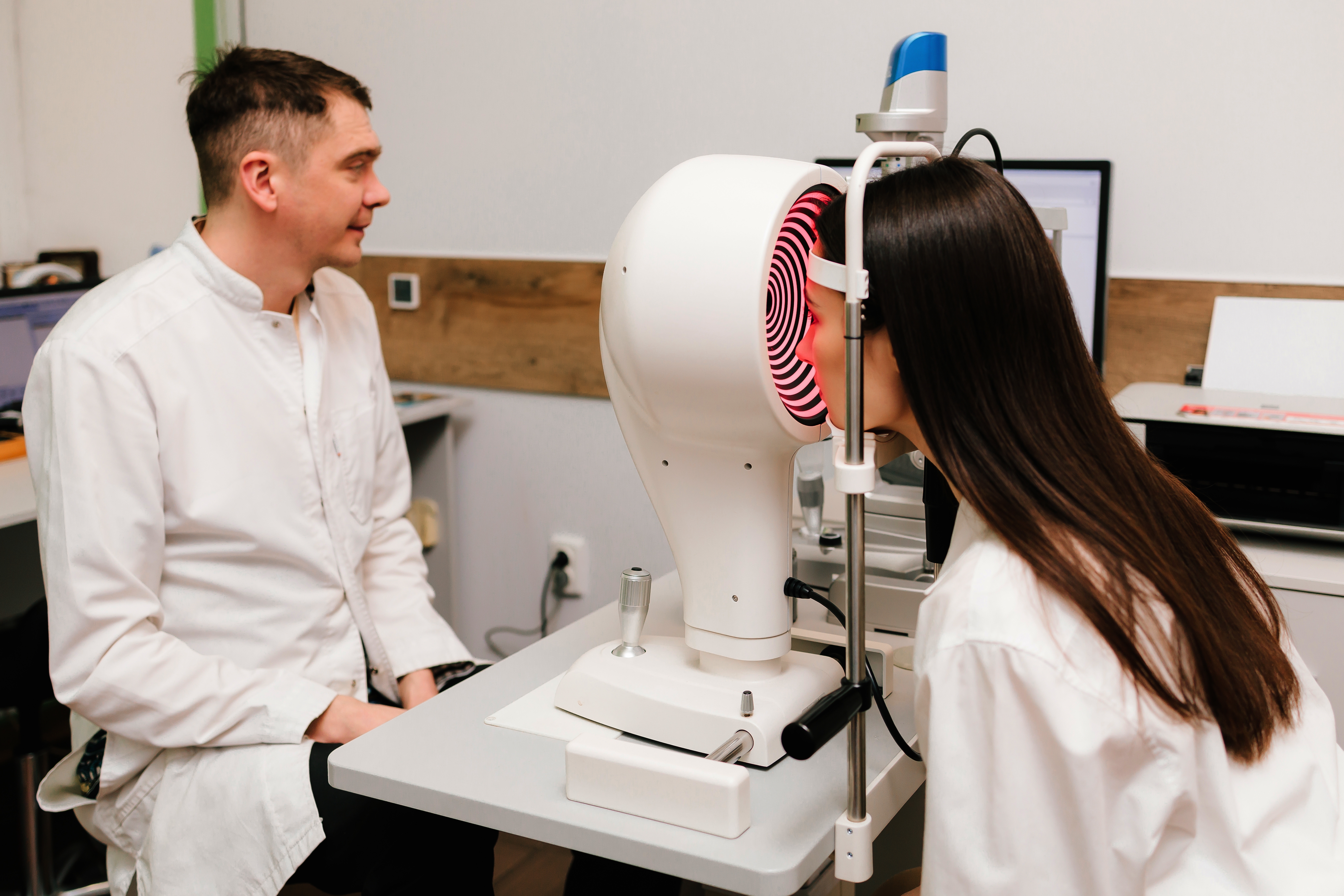
Seeing Clearly? Hidden Eye and Health Conditions May Still Be Developing
Clear vision can make it easy to assume your eyes are healthy. However, reading an eye chart is only one part of understanding how well your eyes are functioning. Some eye diseases and health-related changes can begin before you notice blurry vision, discomfort, or other warning signs.
A comprehensive eye exam looks beyond your prescription. It evaluates the internal and external structures of the eyes, how the eyes work together, and whether subtle changes may require monitoring or additional medical care.
Clear Vision Does Not Rule Out Eye Disease
Many eye conditions develop gradually. Your brain may adapt to small changes, or one eye may compensate for the other, allowing daily activities to feel normal. By the time symptoms become noticeable, a condition may already be affecting the retina, optic nerve, lens, or peripheral vision.
Regular eye exams can help identify early signs of conditions such as glaucoma, cataracts, macular degeneration, diabetic eye disease, and retinal problems. Early detection may create more opportunities to monitor changes, begin treatment, or coordinate care with another healthcare provider.
What a Comprehensive Eye Exam Evaluates
A comprehensive eye exam provides a broader assessment than a basic vision screening. Depending on your age, symptoms, health history, and risk factors, your optometrist may evaluate:
• Visual clarity
• Focusing ability
• Eye teaming
• Depth perception
• Peripheral vision
• Eye pressure
• Optic nerve health
• Retinal health
• Internal and external eye structures
Your medical history is also important. Diabetes, high blood pressure, medications, smoking, sun exposure, and family history can influence eye health and may affect how frequently examinations are recommended.
Your Eyes Can Reflect Overall Health
The retina contains small blood vessels that can be directly examined during an eye exam. Changes in these vessels may be associated with diabetes or high blood pressure. In other cases, inflammation, unusual deposits, or changes involving the optic nerve may suggest that further medical evaluation is appropriate.
Advanced Imaging Supports Earlier Detection
Modern diagnostic technology can provide detailed views of the retina and optic nerve. Texas State Optical offers Optos ultra-widefield retinal imaging, optical coherence tomography, visual field testing, and retinal imaging testing. These tools can help document eye structures, compare changes over time, and support more informed recommendations.
Technology does not replace a complete examination or the clinical judgment of an optometrist. It adds valuable information that can make subtle changes easier to evaluate and monitor.
When to Schedule an Eye Exam
Do not wait for blurred vision to make eye health a priority. An exam may be especially important if you have diabetes, high blood pressure, a family history of eye disease, new headaches, flashes, floaters, eye pain, or changes in side vision. Our optometrist can recommend an appropriate exam schedule based on your individual needs.
Schedule an eye exam with Texas State Optical to protect your vision and identify potential eye health concerns early. Contact our office in Victoria, TX, by calling (361) 578-2904 to book an appointment.
Quick Links
Helpful Articles
article_category: products
article_category: psychiatry
article_category: faqs
article_category: cats
article_category: general
article_category: services
article_category: technology
article_category: dogs
article_category: restorative
article_category: vision therapy
article_category: contact lenses
article_category: health
article_category: conditions
article_category: eye surgery co-management
article_category: exotic
article_category: cosmetic
article_category: surgical procedures
article_category: aesthetics
article_category: preventative
article_category: ocular disease management
article_category: eyeglasses
article_category: eye health
article_category: large animal
[]
article_category: psychiatry
article_category: faqs
article_category: cats
article_category: general
article_category: services
article_category: technology
article_category: dogs
article_category: restorative
article_category: vision therapy
article_category: contact lenses
article_category: health
article_category: conditions
article_category: eye surgery co-management
article_category: exotic
article_category: cosmetic
article_category: surgical procedures
article_category: aesthetics
article_category: preventative
article_category: ocular disease management
article_category: eyeglasses
article_category: eye health
article_category: large animal
[]
Flowbite is an open-source library of interactive components built on top of Tailwind CSS including buttons, dropdowns, modals, navbars, and more.
Check out this guide to learn how to get started and start developing websites even faster with components on top of Tailwind CSS.

All Eyecare Services
We offer a wide variety of eye care services to the Victoria community. Contact us with any questions about our services.

Keep In Touch
For non-urgent questions or to learn more about our services, contact us today!

Contact Information
Office Hours
- Monday 8:30 AM - 5:30 PM
- Tuesday 8:30 AM - 5:30 PM
- Wednesday 8:30 AM - 5:30 PM
- Thursday 8:30 AM - 5:30 PM
- Friday 8:30 AM - 5:30 PM
- Saturday Closed
- Sunday Closed
- Monday 9:00am - 6:00pm
- Tuesday 9:00am - 6:00pm
- Wednesday 9:00am - 6:00pm
- Thursday 9:00am - 6:00pm
- Friday 9:00am - 6:00pm
- Saturday 10:00am - 2:00pm
- Sunday Closed
- Monday 8:00am - 5:00pm
- Tuesday
- Wednesday
- Thursday
- Friday
- Saturday
- Sunday
© 2026 Texas State Optical. All rights Reserved - Accessibility Statement - Privacy Policy - Sitemap
Managed and Designed by 